Tag: blogging

  • Why Aruba is Great for Kids, As Someone That’s Been (As a Kid)

    Why Aruba is Great for Kids, As Someone That’s Been (As a Kid)

    (WordTonic x First Choice Competition)

    About the Brief

    Client: TUI’s First Choice

    Challenge: Write a first-person travel article for First Choice’s Inspire Blog about one of their destinations that blends storytelling with practical travel advice. The goal was to inspire families to picture what their own trip could look like.

    Copy Choices:

    • Drew from my own childhood experiences to create an authentic, first-hand perspective that parents could relate to
    • Structured the piece as a seven-day itinerary to help readers visualize a complete, ready-to-follow family holiday
    • Balanced nostalgia with modern recommendations, showing the the destination appeals to families today
    • Focused on family-friendly experiences like snorkeling, animal encounters, and cultural sights
    • Used conversational, sensory language to make scenes vivid and real
    • Wrote in a tone that feels like friendly advice from someone who’s been there, instead of another travel brochure

    Aruba is a small Caribbean island just off the coast of Venezuela. Half rugged desert, half Dutch-influenced tropical paradise, it lies outside the hurricane zone and enjoys nearly year-round sunshine (even during the rainy season!)

    My parents took me there in 2003, and it’s one of my most vivid childhood memories. That trip was so good, my mom made a whole scrapbook out of it (not a normal occurrence for her). 

    I don’t have kids of my own, but I did visit Aruba as a kid, so I’ve got a pretty good idea of what makes a holiday here stand out. If I were going back now on a family trip, here’s exactly how I’d spend seven days with little ones in tow.

    Day 1: Land in Oranjestad

    If you’re arriving from the UK, it’s a long travel day, so I’d keep things super simple once you land.

    For accommodation, you’ve got options. My family went twice—once we stayed at a big resort, and once we rented a house with a pool. Both were great, but if I were visiting with kids today, I’d go with a resort. You get easy beach access, pools, activity options, on-site dining, and other families around, which makes meeting playmates a breeze.

    I still remember spending hours in the pool with a girl I met at our resort. Sadly, this was pre-smartphones, so I never saw her again. But the memories stuck.
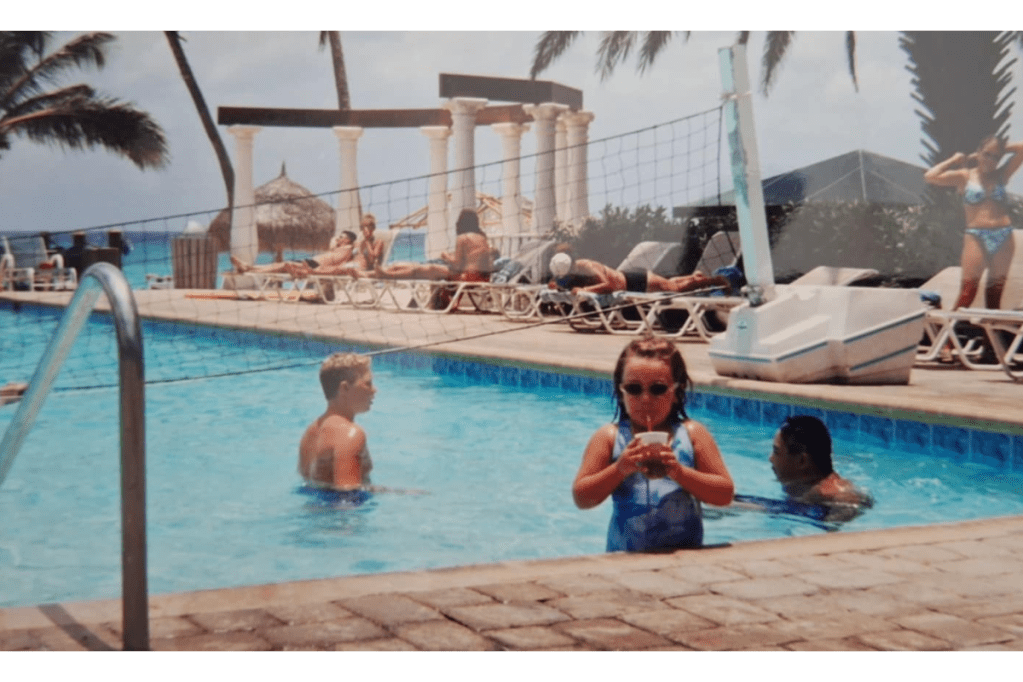
    Keep dinner easy on day one and eat at the resort. Most offer casual al fresco dining, and some even do dinner right on the beach. Look out for Aruban barbecue or coconut shrimp if it’s on the menu. Plus, resort menus always have kid options. 

    You might even catch some live Caribbean music while you eat. I danced way too hard to a steel drum band at dinner once and promptly crashed before dessert. Sorry, Mom.
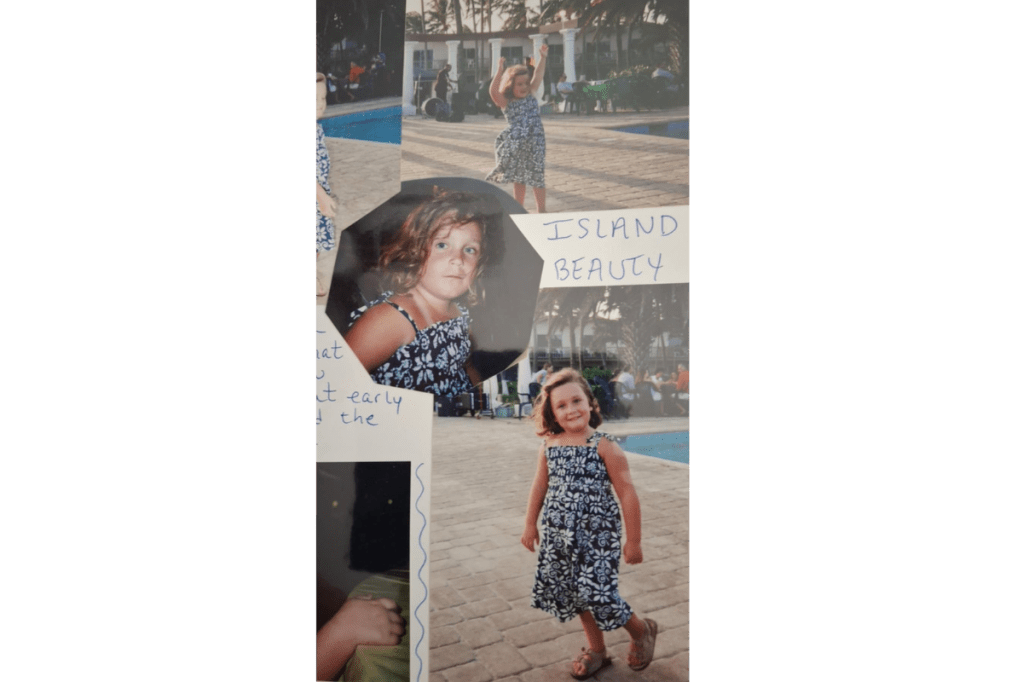
    Oh, and keep an eye out for iguanas around the gardens. They’re everywhere. Just don’t feed them cantaloupe like my dad and I did. (Apparently not great for them.) Some resorts provide proper iguana food pellets if your kids get curious.

    Day 2: Snorkel & Play at Baby Beach

    Today’s all about easing into island life, and there’s no better place to do that than Baby Beach.

    First things first: I’d rent a car. You could do this right at the airport when you land on Day 1, or just pick one up from a local rental spot in Oranjestad. Either way, it’s well worth it. Aruba’s easy to drive around, and having a car gives you the freedom to explore without relying on taxis or tours.

    I’ll admit I have a bit of an advantage being American. I’m used to driving on the right, which is the same in Aruba. But if you drive on the left at home, don’t stress. Aruban drivers are famously chill, and loads of travelers say they find it surprisingly easy to get around.

    When my family and I visited in 2003, we had a rental car and got to explore the entire island. If I were going back today, I’d absolutely do the same.

    Start your morning with a drive down to Baby Beach, tucked away on the southern tip of the island. It’s a calm, shallow lagoon that is perfect for anxious parents. The water stays warm and gentle all day, making it ideal for paddling, floating, and beginner snorkelling.

    Bring goggles and snorkels, even if it’s your child’s first time. The water is so clear, you’ll spot tropical fish just a few feet from shore. No strong waves, no drop-offs. Just warm, safe water and soft sand.

    One of my clearest memories from this beach is my dad paddling over on a boogie board with what looked like the world’s biggest starfish. I was five, so maybe I’m exaggerating, but it looked huge. (This is your reminder to admire wildlife from afar.)

    Baby Beach gets busy, especially on weekends, so I’d aim to arrive early and claim a free palapa or shaded spot under a tree. Later arrivals can always rent a beach umbrella (or come prepared with a rental from your hotel!)

    On the way back, stop in San Nicolas for lunch. It’s close by and gives you a taste of a quieter, more local side of the island. I’d grab some fresh empanadas or grilled chicken, eat outside, and let the kids wind down before the drive back.

    Day 3: Explore Arikok National Park

    Time to swap the beach for something a little wilder. Arikok National Park deserves at least a full day. It’s one of the best ways to see just how varied the island really is.

    You’ll definitely want a rental car for this one (ideally with strong air conditioning—it gets hot out there). The park covers nearly 20% of the island, with wide-open desert, rocky trails, and towering cacti that look straight out of a movie.

    First stop: Guadirikiri Caves. These limestone caves are home to hundreds of harmless bats and are lit by natural beams of sunlight that filter through holes in the ceiling. It’s eerie in the best way. If your kids are into animals (or slightly spooky stuff), they’ll be obsessed.

    After that, I’d drive over to the coast to visit the Natural Bridge site. The original bridge collapsed in 2005, but it’s still worth stopping to see where it stood. There’s also a smaller “baby bridge” nearby that’s still intact and makes for a fun photo op.

    I’m not sure if there’s still a popsicle stand nearby, but if there is, your kids will definitely want one! And they will get sticky, so bring baby wipes…or dunk them in the ocean to clean off. 

    By this point, everyone will be hot, tired, and probably hungry, so stop for lunch at Boca Prins Bar & Restaurant, which is located right in the middle of the park. I’d split some freshly caught fish and keshi yena (a cheesy local dish) with my husband, while the kids dig into burgers and fries. Easy.

    After lunch, I’d head up to Arashi Beach for a cooldown swim. It’s usually quieter than the more popular spots, with calm, clear water and soft sand. Ideal for one last dip before dinner.

    Day 4: Flamingos, Butterflies & Optional Animal Encounters

    Day Four is a choose-your-own animal-themed adventure day. Personally, I’d start early and do an excursion to Renaissance Island to see the famous flamingos.

    The island is privately owned by the Renaissance Hotel, and Flamingo Beach is adults-only except in the morning—so that’s your window if you want your kids to experience it. You’ll need a day pass (unless you’re staying at the hotel), but I think it’s worth the splurge. The flamingos are used to people and often wander right up to you!

    In the afternoon, head over to the Butterfly Farm. Early in the day, you might see butterflies emerging from their chrysalises. I went here as a kid and accidentally bumped into one of the butterfly baths mid-tour. The butterflies flew away as the guide was explaining how delicate they were, much to my parents’ embarrassment.

    Tickets are valid for your whole trip, so you can come back again later in the week if your kids love it.

    If everyone’s still in the mood for animal adventures, I’d add one (or both) of these other stops:

    • The Donkey Sanctuary – Sweet, gentle donkeys you can feed and pet. It’s free to visit (donations welcome), and it’s a good place for kids to slow down and interact with animals in a relaxed, open space.
    • The Ostrich Farm – Not gonna lie, ostriches can be kind of terrifying in person. But, if your kid happens to be into dinosaurs, this is probably something they’ll enjoy. 

    Day 5: Splash & Snack on De Palm Island

    Today’s plan: sun, slides, snacks, repeat.

    I’d set aside a full day for De Palm Island. It’s just a five-minute ferry ride from the mainland, and it feels like its own little world built entirely for family fun.

    I’d book a day pass in advance (especially during school holidays), which gives you access to everything: water slides, shallow splash zones for younger kids, shaded cabanas, snorkeling gear, and a buffet lunch.

    There’s even a coral reef right off the beach that’s perfect for beginner snorkelers. If your kids are older (and up for a little adventure), you could try the SeaTREK helmet dive, where you walk along the ocean floor with a space-like helmet. No swimming or snorkeling skills required, and the photo you get is totally scrapbook-worthy. 

    And it’s not just for the kids. While they run wild on the slides, adults can relax with unlimited cocktails from the bar, book an optional massage on the beach, or just enjoy a quiet float in the calm, clear water. There’s even a flamingo enclosure where you can snap photos and enjoy a few peaceful minutes away from the splash zones.

    And for food, you’re completely covered. The day pass includes unlimited snacks, drinks, and lunch. Expect burgers, fries, soft-serve ice cream, and plenty of juice for the kids.

    Fair warning: if your kids love water slides, you may have trouble getting them to leave before the last ferry. 

    Day 6: Trams, Treats & Culture in Oranjestad

    After five straight days of sand and swimming, now’s the time to take in some culture in Oranjestad, Aruba’s colorful capital.

    Getting around is easy. Just hop on the free open-air streetcar that loops through town. It’s super kid-friendly, runs regularly, and turns getting from A to B into part of the fun. You can ride it just to take in the views or hop off at any stop that catches your eye.

    Oranjestad is full of bright, Dutch-colonial buildings in tropical pastels. Think tall gables, intricate trim, and bold colors. No agenda needed, just have fun getting lost!

    Along the way, you’ll pass local markets and craft stalls selling everything from handmade jewelry to painted coconuts. One thing I’d definitely look out for is the hand-painted bobblehead turtles. I brought several home as a kid, but they’ve been lost between several house moves, so I am in the market for more. 

    If your family’s up for a bit of indoor exploring, I’d stop at the National Archaeological Museum. It’s housed in a beautifully restored colonial home and has cool exhibits on Aruba’s Indigenous history, artifacts, and colonial past. It’s air-conditioned, educational, and just the right size to hold a kid’s attention without dragging on too long.

    When it’s snack time, I’d grab a fresh smoothie or pick up a pastechi—a flaky Aruban pastry usually filled with cheese, beef, or chicken. Perfect fuel for a bit more strolling (or bribery, if your kid is losing steam).

    Day 7: Relaxed Snorkeling & Goodbye Sunset

    For your final day, I’d keep things simple and slow. Head to Mangel Halto or Malmok Beach. These are two quieter, lesser-known spots that are perfect for a peaceful morning snorkel.

    Both beaches have calm, clear water and coral reefs just off the shore. You won’t need to go far to spot parrotfish, angelfish, or little schools of something bright and stripey. It’s an easy, low-effort adventure to squeeze in before heading home.

    If there’s time (and energy), I’d do one last souvenir stop in town or head back to your family’s favorite beach for a final swim and a sandcastle or two.

    For your last dinner, I’d pick a spot with a sunset view. Order something local (maybe grilled fish or keshi yena one more time?) and let everyone go around the table sharing their favorite part of the trip. Get excited about seeing your pets again, but try not to think about the horrid weather that awaits you at home.


    Linq Ad Copy

    (WordTonic x Linq Competition) Ad #1 Copy Like lying together on a fluffy rug in front of a fireplace… inside a bank vault. Linq keeps what’s between you two…between you two. Ad #2 Copy Feels like being in bed together. Even when you’re not. All your private moments, all in one place.


    Funeral Home Web Copy (Speculative)

    Mourn your loved ones, not your savings. Because grief’s hard enough without a payment plan. Resentful that your dearly departed is resting in peace while you juggle the bills? Our affordable burial and cremation services allow you to grieve properly, without adding debt to your distress. Choose their send off Burials Starting at £1000 Classic…

  • People-First Content: Write for Humans, Rank on Google

    People-First Content: Write for Humans, Rank on Google

    Everyone wants that top spot on Google. But, many SEO writers fall into the trap of writing for the algorithm instead of the real people reading their content.

    When you focus only on ranking, you often get the opposite—low rankings, zero clicks, and no one actually reading that blog post you worked so hard on.

    In this blog, I’ll break down what people-first conten is, why it’s the smartest SEO strategy, and practical tips to write content that both ranks and truly connects with your audience.

    How to Write People-First Content (Quick Summary)

    1. Follow E-E-A-T guidelines
    2. Use topics instead of keywords
    3. Make content comprehensive and digestible
    4. Make your articles skimmable
    5. Write in a clear and direct way
    6. Make your SEO tweaks after writing your draft
    7. Add unique insights from your own experience
    8. Be an expert on your topic
    9. Be a trustworthy source of information

    What is People-First Content?

    People-first content means putting your audience’s needs at the center of everything you create.

    Your goal is to genuinely help people, not just satisfy search engine algorithms. SEO still matters, but it comes second to delivering value.

    But wait, I want to be the first result on Google!

    Of course you do—and you absolutely can be. But the way to get there is by putting people first.

    When you create useful, trustworthy content that truly serves your readers, Google is much more likely to reward you with higher rankings.

    What is Search-Engine-First Content?

    Search-engine-first content is content written purely to rank in search results, with little thought for the actual human reading it.

    It prioritizes SEO tricks above user experience, originality, or real value.

    This kind of content often:

    • Lacks depth or fresh insights
    • Feels generic or repetitive
    • Tries too hard to stuff in keywords
    • Offers no unique perspective

    It’s the kind of writing that might technically check SEO boxes, but leaves readers feeling like they’ve wasted their time.

    Why Writing for Search Engines Backfires

    Writing only for search engines might seem smart. (For content writers, it’s our entire job to rank!). But, it often does the opposite of what you want.

    When you stuff content with keywords or write to appease althorithms, it ends up feeling robotic, shallow, and irrelevant. Readers leave quickly and engagements drops. Google notices that.

    Google wants content that genuinely helps users instead of just checking SEO boxes.

    Keyword-heavy posts may bring short-term clicks, but they rarely build trust or lasting results.

    Examples of “Search-Engine-First” Content to Avoid

    Here are some classic examples of search-engine-first content you’ll want to steer clear of:

    • Clickbait: Sensational headlines that promise the world but deliver nothing of value. Think: “You’ll NEVER believe what happened next…” (Spoiler: readers hate this.)
    • Regurgitated content: Articles that simply rehash information already found all over the internet, without adding anything new, personal, or helpful.
    • Automatically generated content: AI articles with no human input, personality, or real insights are often low-quality.
    People-First ContentSearch Engine-First Content
    Focuses on helping real people and answering their questionsFocuses purely on ranking in search engines
    Prioritizes clarity, usefulness, and user experiencePrioritizes keywords, word counts, and SEO tricks
    Original insights and personal experiences includedOften generic, repetitive, or copied from other sources
    Naturally integrates keywords as part of broader topicsObsesses over exact-match keywords and density
    Builds trust and authority with readers and GoogleCan appear spammy or manipulative to search engines
    Long-term sustainable SEO resultsRisk of low rankings or Google penalties
    Content feels human and engagingContent often feels robotic or shallow

    What is E-E-A-T in SEO?

    E-E-A-T stands for Experience, Expertise, Authoritativeness, and Trustworthiness. It’s how Google decides if you and your content are worth trusting.

    Honest, helpful information that serves your readers is key.

    It’s especially crucial for Your Money or Your Life (YMYL) topics—subjects that affect someone’s health, finances, safety, or overall well-being. Google wants to ensure people don’t get hurt from bad advice on their platform.

    9 Tips for Writing People-First Content

    So now you know what people-first content is—and why it matters. But how do you actually do it?

    Here are my nine practical tips for writing content that puts the audience first, ranks better on Google, and makes your readers genuinely glad they found your blog.

    1. Follow Google’s E-E-A-T Guidelines

    Google has a detailed guide about writing E-E-A-T content. But in short, it all comes down to creating helpful, reliable content that puts your readers first.

    Ask yourself:

    Is my content the most reliable and helpful resource it can be for the person reading it?

    Knowing whether you’re truly being helpful can feel tricky and subjective. The key is having a deep understanding of your audience and what they want.

    • Who is this article for?
    • What do they need to know?
    • Are they beginners, or already experts in this subject?

    If you write content online, you should know Google’s E-E-A-T guidelines like the back of your hand—it’s basically your bible.

    Once you’ve finished a draft of your blog post or web page, read through the questions in Google’s guide and see how your content stacks up. Fill in any gaps with more helpful information.

    2. Think of Keywords as “Topics”

    Gone are the days when you had to stuff your blog post with exact-match keywords a specific number of times just so Google knew what you were talking about.

    Today, Google’s algorithm understands the relationship between related words and phrases.

    For example:

    “best coffee shops Edinburgh” vs. “where to get coffee in Edinburgh” — these mean the same thing to Google.

    I’ve often seen blog posts rank on a search results page for a certain keyword—even though that exact phrase never appears in the article at all!

    What’s more important now is that you cover your topic comprehensively, answer readers questions, and naturally sprinkle in related keywords throughout your piece.

    3. Make Your Blog Comprehensive, but Digestible

    Your readers should leave your blog feeling like they truly understand whatever they came to learn—without feeling overwhelmed.

    A great way to check if your content is comprehensive is to take your target keywords and search them on Google (preferably in an incognito window). Look at:

    • What other top-ranking blogs are covering
    • The “People Also Ask” section
    • Related searches at the bottom of the page

    Are you answering those same questions—or doing it even better?

    Remember, your post should be just long enough to fully cover the topic. Forget about trying to hit a magical word count.

    A 600-word post can sometimes be more helpful than a 2,000-word one if it’s clear, focused, and genuinely useful.

    4. Write “Skimmable” Articles

    Most people don’t read blog posts start to finish—they skim. They want a quick answer to their question. Oonce they find it, they’re out.

    To keep your content skimmable:

    • Use clear header tags to break up long chunks of text. Headers help readers jump straight to the info they’re looking for.
    • Headers should accurately describe the information you’re about to give. Don’t be vague or misleading—clarity is key.
    • Titles should reflect the actual content rather than be flashy. Honesty and clarity will serve you (and your readers) better in the long run.

    Overall, just make it ridiculously easy for someone to find what they need in your blog.

    5. Write Clearly and Directly

    For people-first content, clarity beats cleverness every time.

    Readers want answers fast, so give it to them straight.

    I often use the BLUF method, which stands for “Bottom Line Up Front.” You answer the question or make your main point first, then dive into details afterward.

    This way, users get the info they need right away. If they’re curious, they can keep reading for more context.

    Another tip: make your point in as few words as possible. (Thank my high school journalism teacher for that.) People don’t want to wade through a sea of fluff to get to the meat and potatoes.

    Example:

    Bad: “In the event that you have any further questions or concerns regarding the matter, please do not hesitate to reach out to me at your earliest possible convenience.”

    Good: “Let me know if you have any questions.”

    If you can cut out extra words, do it. Your readers (and Google) will thank you.

    6. Make SEO “Tweaks” After Writing Your Blog

    Here’s one of the biggest lessons I’ve learned as a content writer: write your blog as you would write it, then make your SEO tweaks afterward.

    When I started writing professionally, I’d obsess over getting every blog post to a perfect 10 score in the Semrush Content Editor. And honestly, it worked… for a while.

    But eventually, we noticed something weird at work: some of our lower-scoring posts were actually ranking better than the ones I’d meticulously optimized.

    Counterintuitive, right?

    The problem was, I’d become too focused on exact-match keywords, hitting specific word counts, and placing all the recommended semantic keywords. I was writing for the tool instead of the user.

    Because of that, when the next algorithm update dropped, we lost a lot of traffic.

    Now, I write my blog without worrying about tools or scores. Once I’m happy with the piece, then I go back and make minor SEO adjustments.

    7. Add Unique Insights from Your Own Experience

    Your content shouldn’t just be a copy of information people can already find on every other blog out there.

    You have a unique perspective—make sure that shines through in your writing.

    Share your personal experiences, mistakes you’ve learned from, strategies that have worked for you, and insights from working in your field.

    That gives your audience something they can only get from you—and it signals to Google that your content contains novel, valuable information worth ranking.

    If you’re writing for someone else (meaning you don’t have first-hand experience), make it your mission to deeply understand their brand voice and unique perspective. 

    8. Be an Expert on the Subject

    To write truly great content, you’ve got to write from a place of expertise.

    That doesn’t mean you need to be a 200 year old sage who knows everything there is to know about your topic.

    Depending on your niche, it might simply mean knowing more than your target audience and being able to teach them something new—or knowing how to find and cite reputable expert sources.

    However, be extra cautious when writing about Your Money or Your Life (YMYL) topics. In those cases, you need to be absolutely certain your advice will not cause your readers harm.

    9. Be Trustworthy

    For your content to help people, you must be trustworthy—and display trustworthiness.

    • Give accurate information. Don’t guess or make things up. Double-check your facts before you hit publish.
    • Don’t promise things you can’t deliver. Avoid clickbait headlines that lure readers in but leave them disappointed. Short-term clicks are not worth sacraficing your credibility.
    • Back up your claims and statistics with high-quality sources. Think peer-reviewed journals, government reports, reputable industry publications, and expert interviews.
    • Always trace stats back to the original source. If you find a statistic on another blog, follow the links until you find the actual study or credible report. You’ll be surprised how many websites cite random numbers without verifying them.
    • Add an author bio to your blog posts. Link it out to your LinkedIn profile, your website, or an About page.

    Let people see who you are and why they should trust what you’re saying. Being trustworthy is what keeps readers coming back for more.

    TipQuick Summary
    Follow E-E-A-T GuidelinesWrite helpful, reliable content focused on your audience. Know who you’re writing for and what they need. Check your work against Google’s E-E-A-T guidelines.
    Think of Keywords as TopicsDon’t obsess over exact keywords. Google understands related terms. Focus on covering your topic thoroughly and naturally.
    Make Content Comprehensive, but Digestible Cover your topic fully without overwhelming readers. Check Google’s top results and “People Also Ask” to ensure you’re answering all key questions.
    Write Skimmable ArticlesMost people skim. Use clear headings, honest titles, and break up long text to help readers find answers fast.
    Write Clearly and DirectlyGet to the point quickly. Use the BLUF (Bottom Line Up Front) method. Cut fluff and keep your writing concise.
    Make SEO Tweaks After WritingWrite for people first. Once finished, go back and make SEO adjustments rather than obsessing over scores upfront.
    Add Unique Insights from ExperienceShare personal stories, insights, and lessons learned. Don’t just regurgitate existing content. This makes your writing original and valuable.
    Be an Expert on the SubjectYou don’t need to be the world’s top expert—but know more than your audience and cite reputable sources. Especially crucial for YMYL topics.
    Be TrustworthyGive accurate, honest information. Avoid clickbait, back up claims with credible sources, and add an author bio to show credibility.

    Conclusion

    Writing for Google is important, but writing for people is what truly sets you apart.

    When you focus on helping real readers, you’ll not only rank better, but you’ll also build trust, loyalty, and authority in your niche.

    If you keep these principles in mind, you’ll be well on your way to writing blog posts that both rank and resonate.

    Want more tips like this? Subscribe below, and I’ll email you whenever I publish a new blog post. Let’s keep leveling up your writing together!

    Frequently Asked Questions

    How do I write people-first content?

    Focus on your audience’s needs, not just search engines. Understand who your readers are, what questions they have, and how you can genuinely help them. Write clearly, share your own experiences, and cover your topic thoroughly. Once your draft is solid, go back and make SEO tweaks—but don’t let optimization overshadow your goal of helping real people.

    Does Google penalize AI content?

    Not simply for being AI-generated. Google doesn’t automatically penalize content just because AI helped create it. However, if the content is low-quality, inaccurate, or unhelpful, it can definitely hurt your rankings—no matter how it was written. If you’re using AI tools, always edit and add your own expertise and insights to keep it human-centered and valuable.

    What is E-E-A-T?

    E-E-A-T stands for Experience, Expertise, Authoritativeness, and Trustworthiness. It’s Google’s way of evaluating how credible and helpful you and your content are—especially for sensitive topics like health, money, or safety. Following E-E-A-T principles helps you build trust with both readers and search engines.

    How long should people-first content be?

    As long as it needs to be—and not a word longer. Forget strict word counts. Your post should be thorough enough to fully cover the topic and answer your audience’s questions, but concise enough to avoid fluff. Quality matters more than hitting a specific word count.

    Can I still use keywords in people-first content?

    Absolutely! Keywords are still important—but think of them as clues about what your audience wants to know, rather than rigid phrases you have to repeat a certain number of times. Use them naturally, and focus on covering your topic comprehensively.

    Do I need to cite sources in blog posts?

    Yes—especially if you’re sharing facts, statistics, or health/financial advice. Citing credible sources builds trust with your readers and signals to Google that your content is reliable. Always trace stats back to the original source when possible.

    What are YMYL topics?

    YMYL stands for “Your Money or Your Life.” These are topics that could impact someone’s health, finances, safety, or overall well-being. Google holds content on these subjects to higher standards, so if you’re writing about them, you need to be extra careful to be accurate, truthful, and genuinely helpful.